
Came here from one of Walt's videos?
The videos take one topic at a time. This is the whole plan, written down in order: every step, the drawings, and the forms to fill in for your own home.
The guide in three sentences
When you can't warm the house, warm the room. When you can't warm the room, warm the person. And know, before the night comes, where your line is.
The rest is how: which room, which heater, how much water, what to eat first, who to call, and when to go.
A one-minute check: is your home ready for a winter power outage?
Check each one that is true for you today.

Two things do the harm in a winter outage: the cold itself, and carbon monoxide.
In the Texas freeze of February 2021 more than 4.5 million people lost power, some for as long as four days, and the state confirmed 246 storm-related deaths. Most of this harm does not come from being reckless. Some homes just get a little colder each night. In others, someone brings a grill inside, runs a car in the garage, or sets a generator too close to a window.
- 161The cold itself65%
- 19Carbon monoxide poisoning8%
- 25Existing illness made worse, some after oxygen or dialysis was interrupted10%
- 41Other causes: roads, falls, fires17%
6 in 10
of those who died were aged 60 or older: 147 of 246.
Across the U.S., portable generators are linked to nearly 100 carbon monoxide deaths a year. †
Both have simple, known precautions. You can learn them in an evening and do them one small job at a time.
- Tonight, free: choose the room you'd close up.
- This week: a battery-operated carbon monoxide alarm near where you sleep.
- On a calm day: write down the point at which you'd leave.
Where the guide covers it
- The cold
- Chapter 5, The warm room
- Carbon monoxide
- Chapter 6, Heat sources, and Chapter 12, Generators
- Equipment that needs power
- Chapter 13, Powered medical equipment

By the end of the guide you will have
- A warm room chosen and ready to seal, with a layout for your kind of home: apartment, ranch, two-story or mobile home.
- A first-hour plan, minute by minute, for the moment the furnace clicks off.
- Four rules for anything that burns, so you have a rule to go by with any heater.
- Water and three days of no-cook food stored, with the simple clock that tells you what in the fridge is still safe.
- Your cold-spot list, the places where pipes freeze first.
- Your leaving points written down, so the decision is made on a calm day and not at two in the morning.
- A check-in plan with one neighbor, the piece of equipment that costs nothing.
- Your forms filled in and kept with your flashlight.
Look inside before you buy
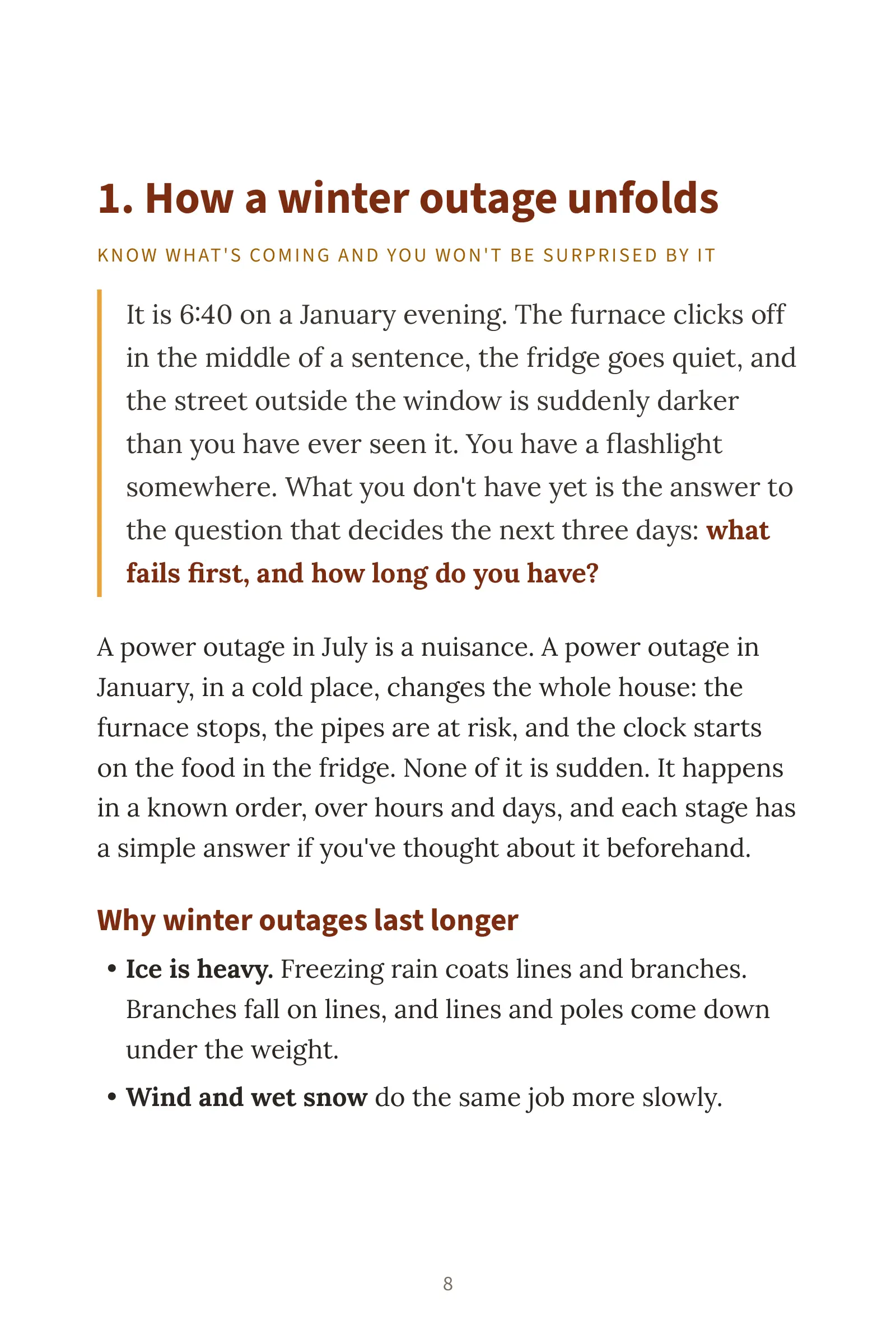
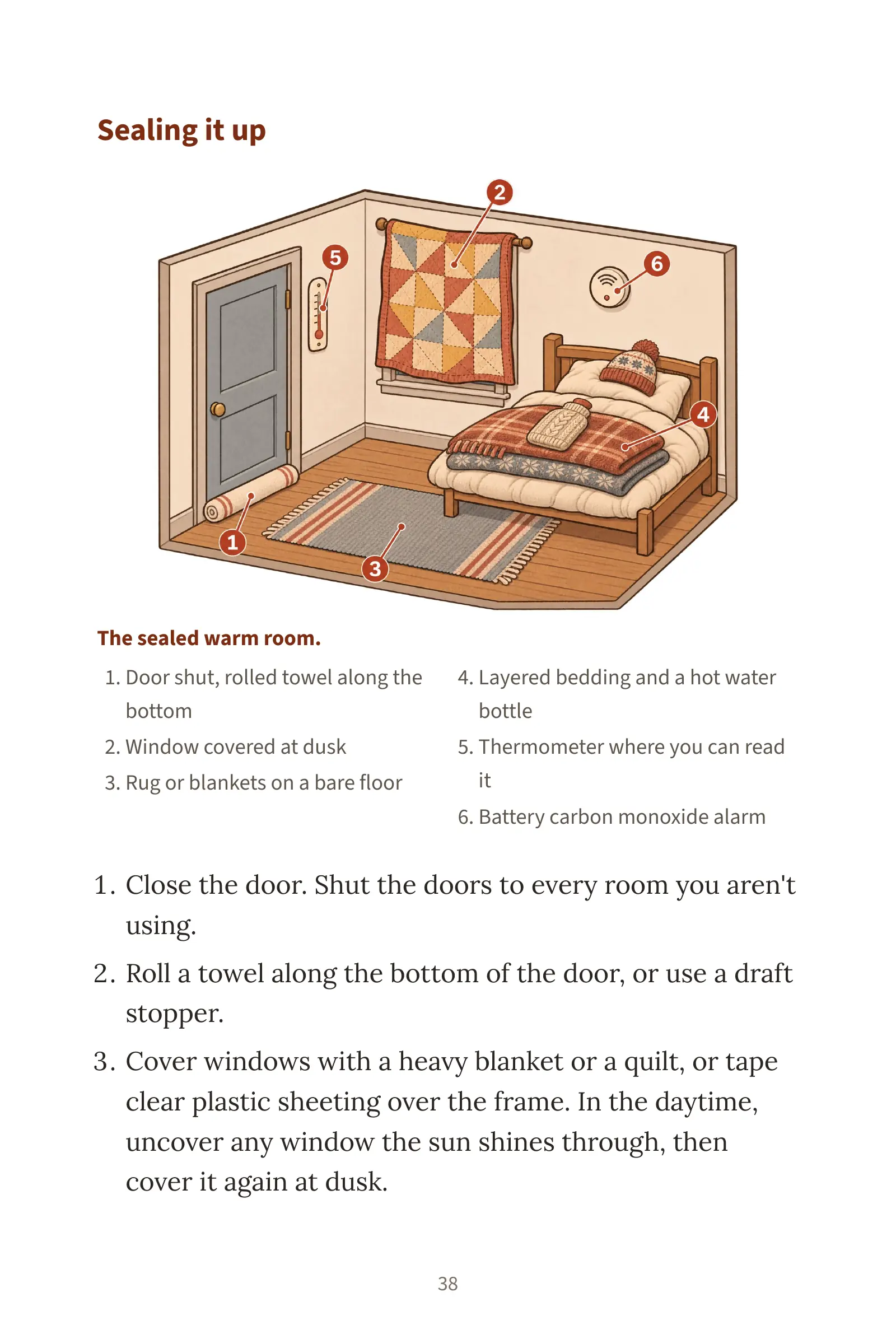
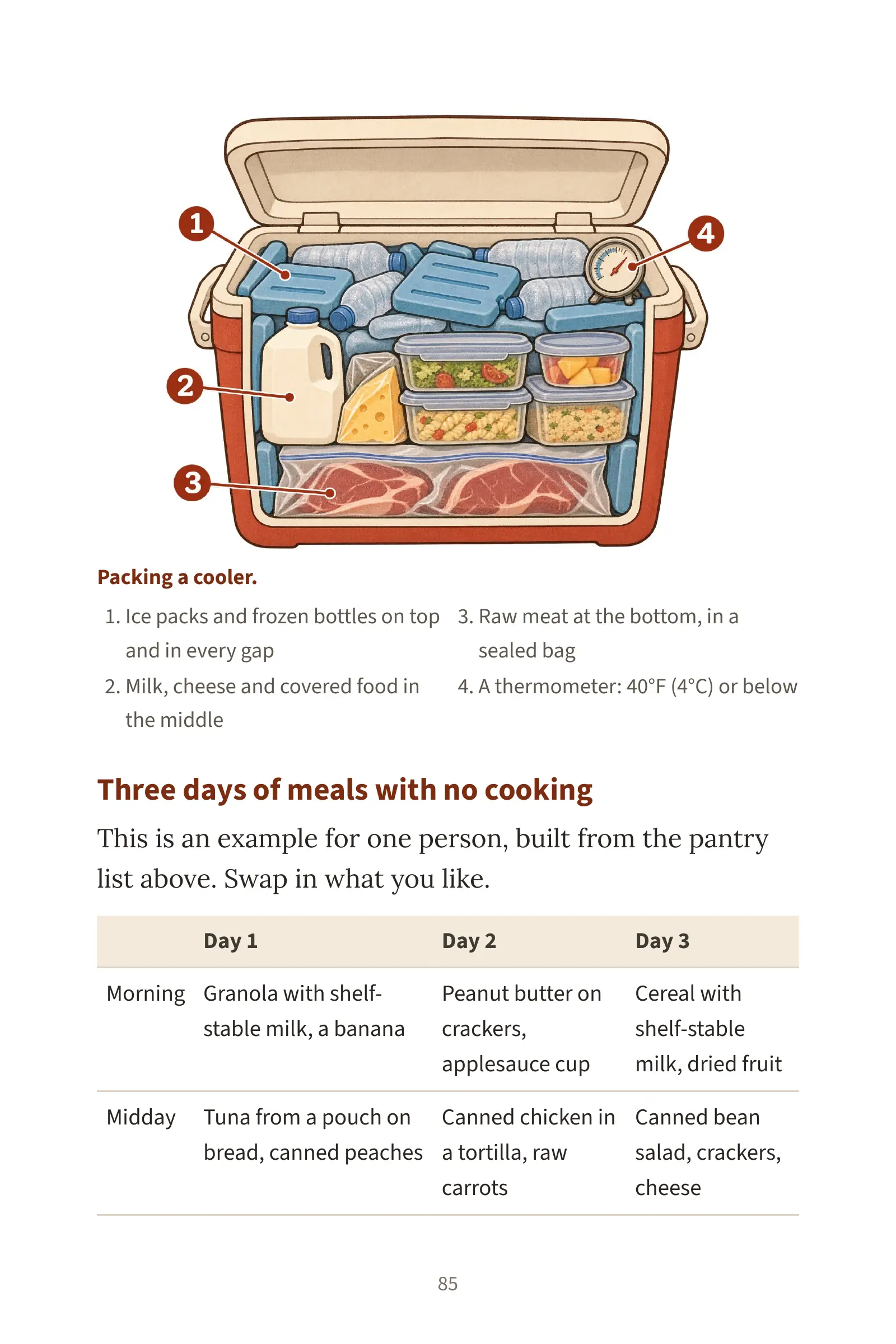
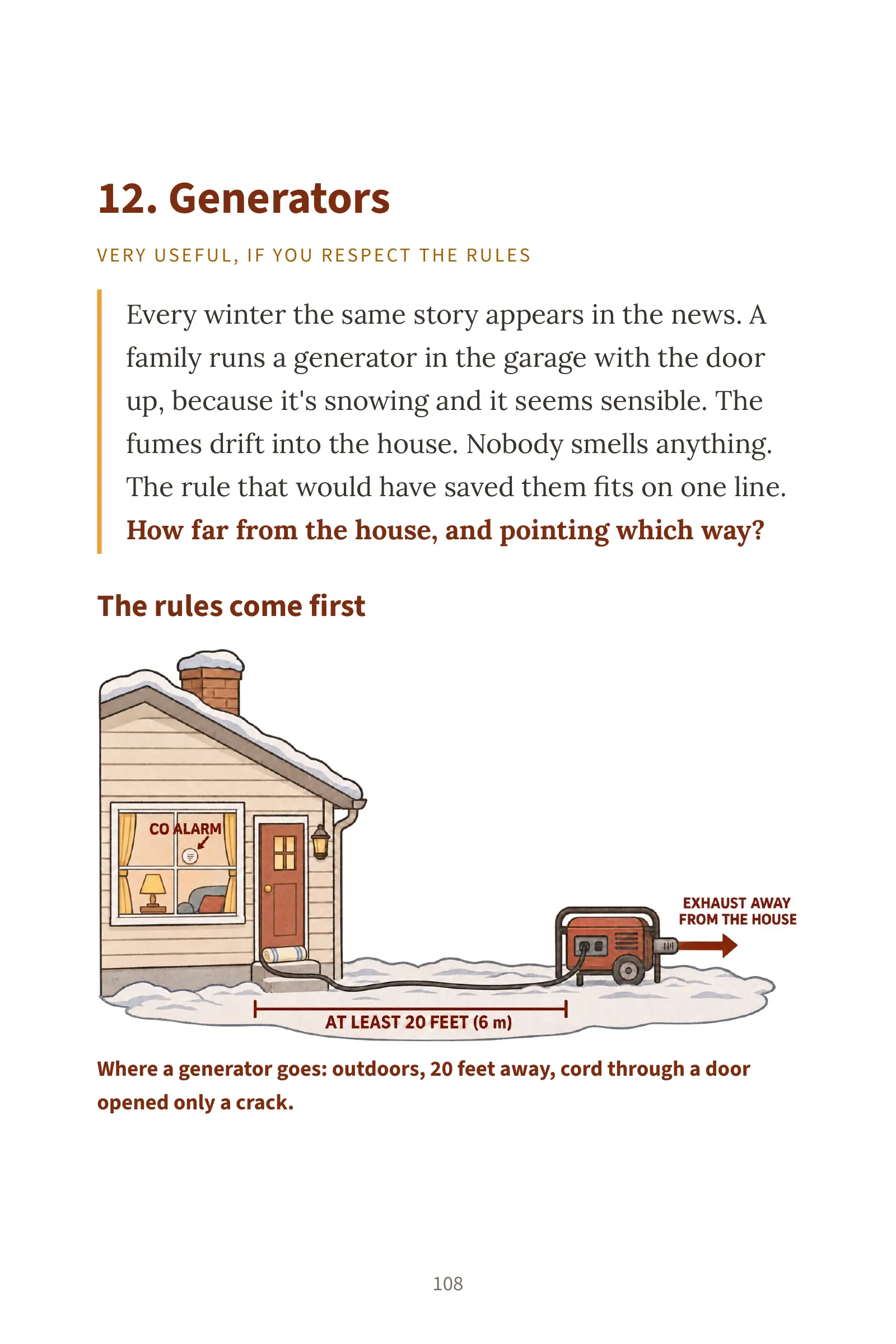
Six real pages from the guide. Clear type, plain words, and drawings where a drawing is clearer. Tap a page to see it larger.
The eight forms at the back are made to be printed, filled in with a pen and kept with your flashlight.
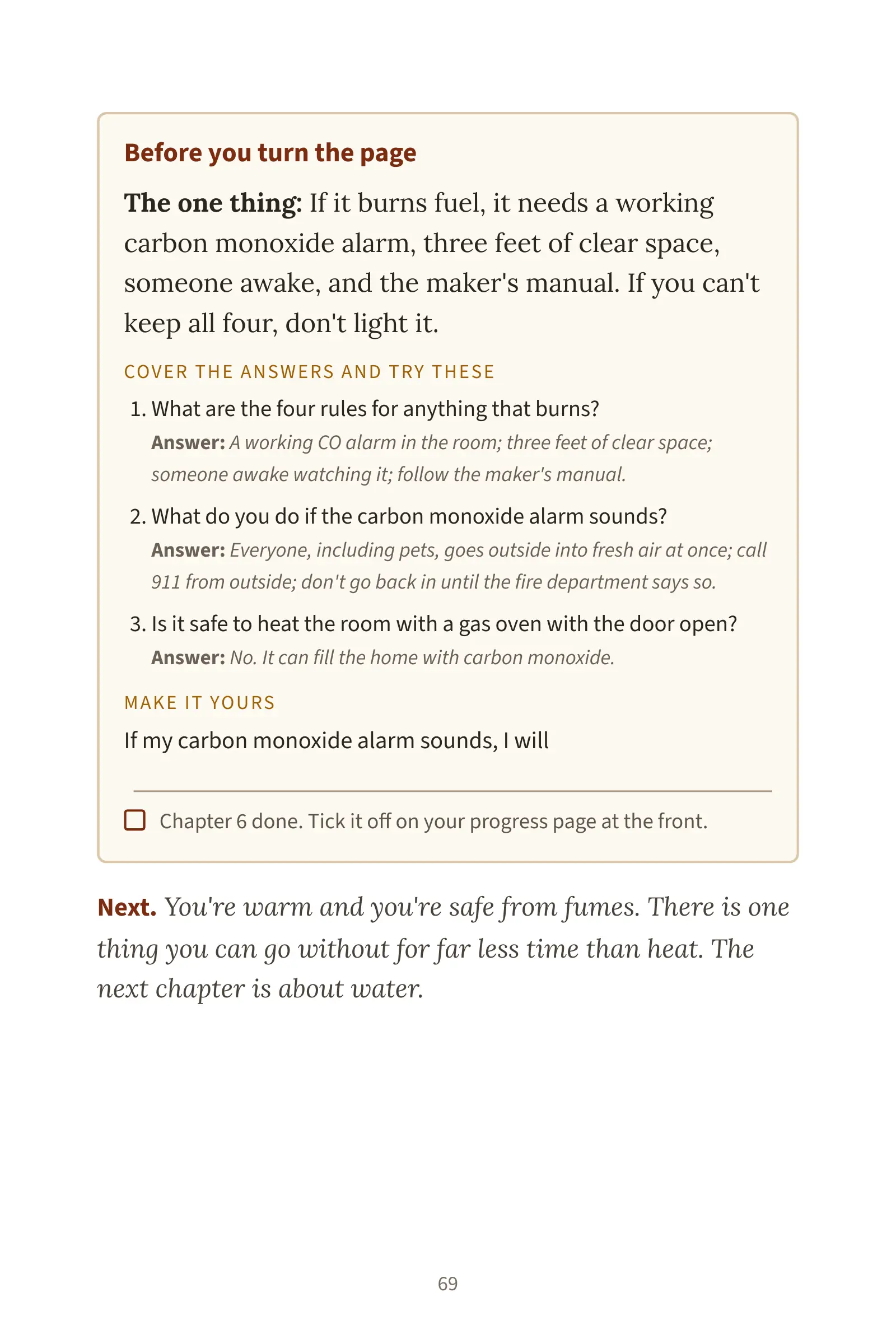
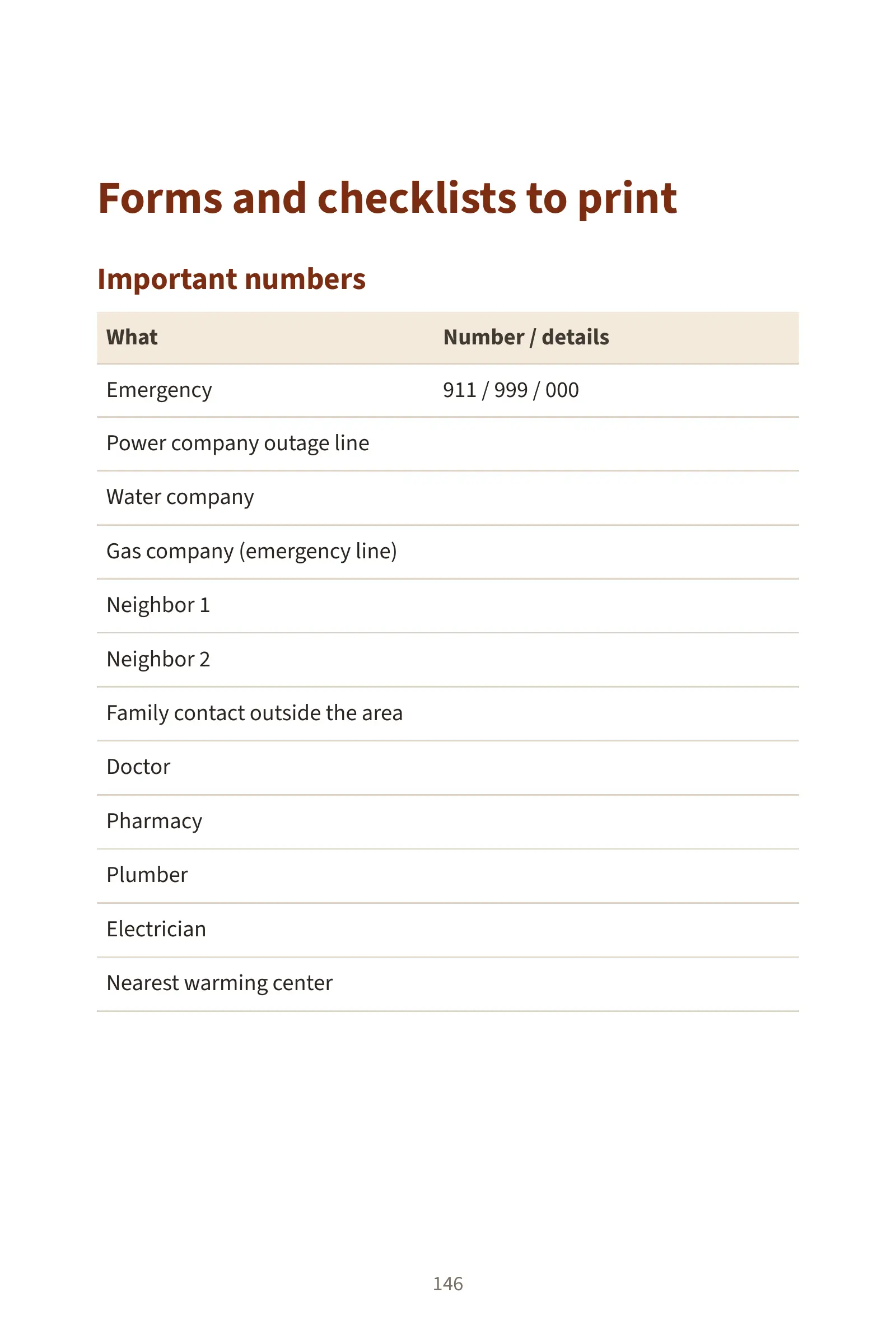
Not ready to buy today?
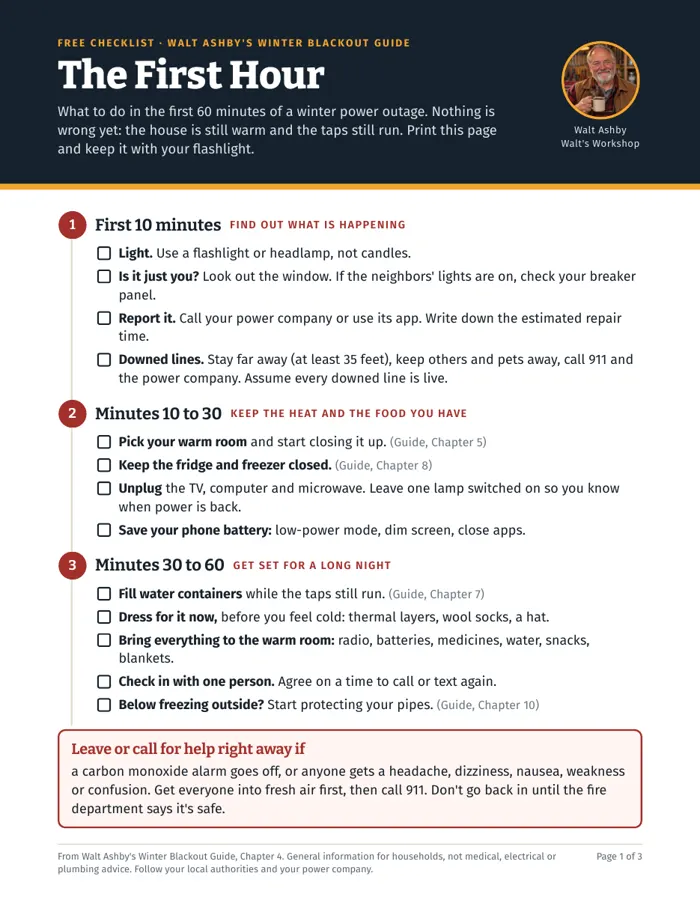
Get the first-hour checklist free
One page from the guide: what to do in the first hour of an outage. Print it and keep it with your flashlight.
We email you the checklist and an occasional note from Walt. We never sell or share your address. Unsubscribe in any email.
What's inside the Winter Blackout Guide bundle
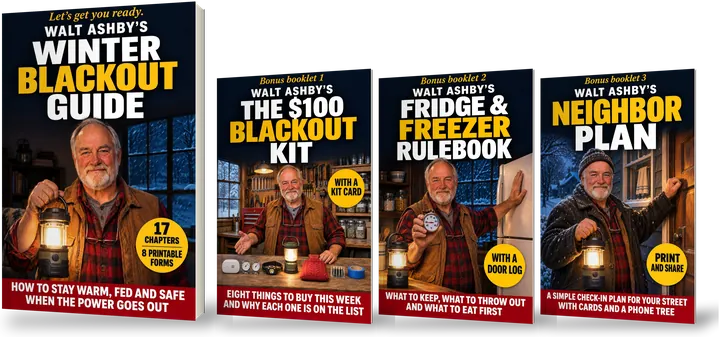
Four ebooks, 196 pages in all. Read them on a tablet or print the pages you need. The plan starts with steps that cost nothing; the first shopping list is about $50, and the full kit in Booklet 1 is about $100.
Plus one extra: a copy of the eight forms that you can type into on a computer or tablet.
"I wouldn't know where to start."
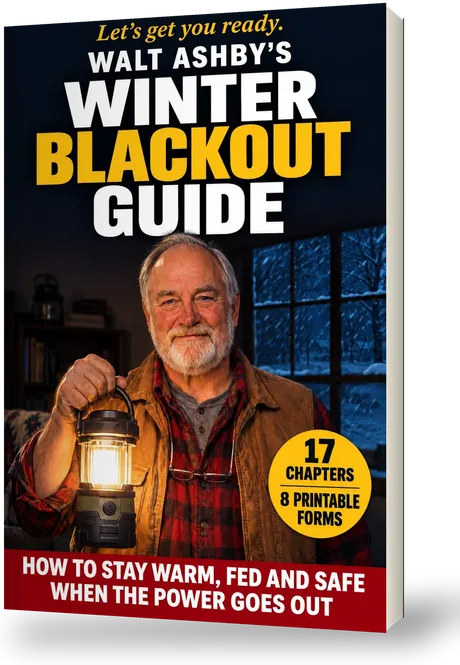 The main guide · 153 pages
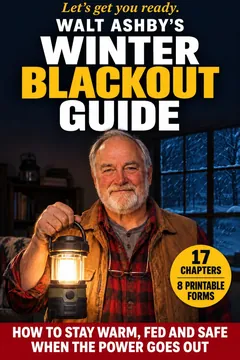
Walt Ashby's Winter Blackout Guide
17 short chapters in five parts, 26 drawings, and eight printable forms at the back.
"What do I actually need to buy?"
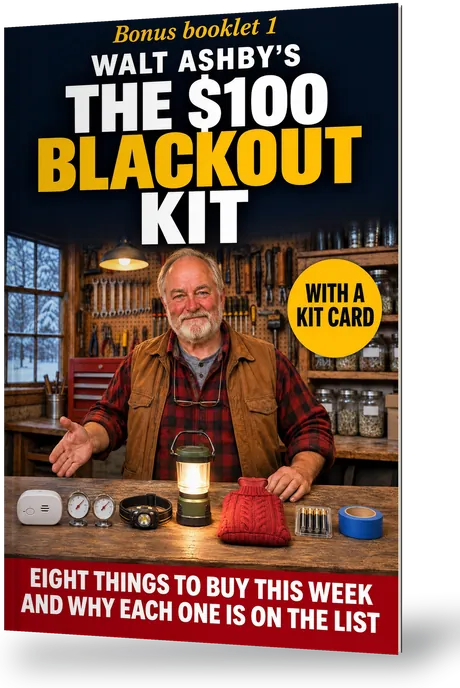 Booklet 1 · 13 pages
The $100 Blackout Kit
Eight things to buy this week, why each one is on the list, and a kit card to tape inside the lid of the box.
"Is this food still good?"
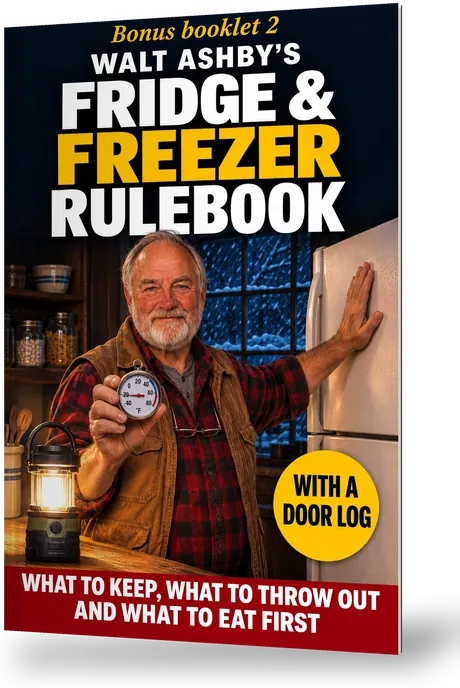 Booklet 2 · 14 pages
The Fridge and Freezer Rulebook
Keep or throw out, food by food, following the USDA chart. With a door log for the fridge.
"What if nobody knows I'm in trouble?"
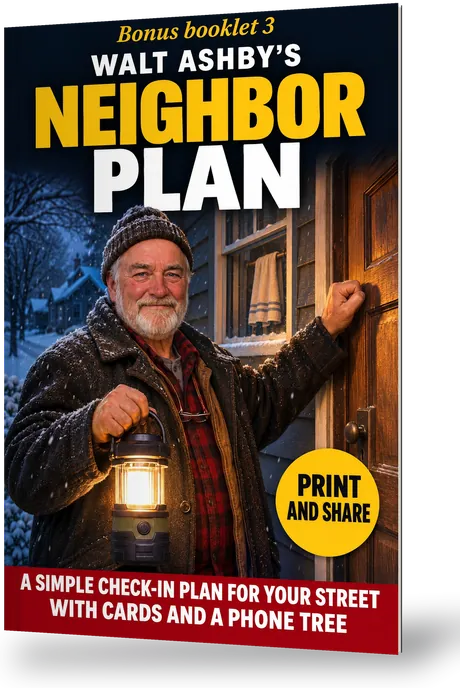 Booklet 3 · 16 pages
The Neighbor Plan
A window signal, a check-in round, a phone tree and door cards to cut out.
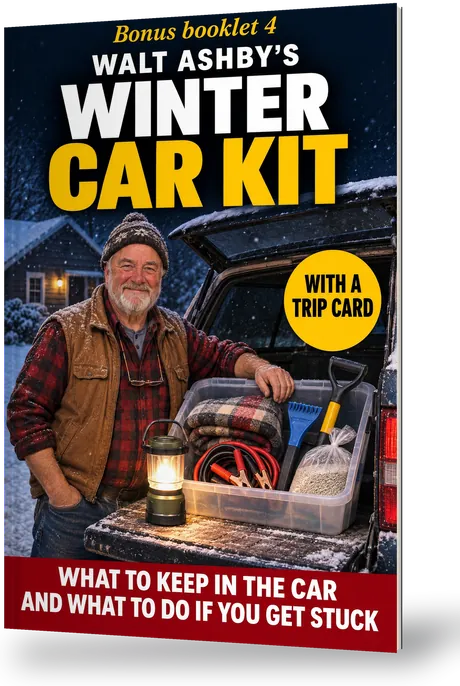
Black Friday gift · until Nov 30
The Winter Car Kit
What to keep in the car, and what to do if you get stuck. 25 pages, with a kit card and trip cards.
Free with the guide this week. It is added to your download automatically. Nothing to do.
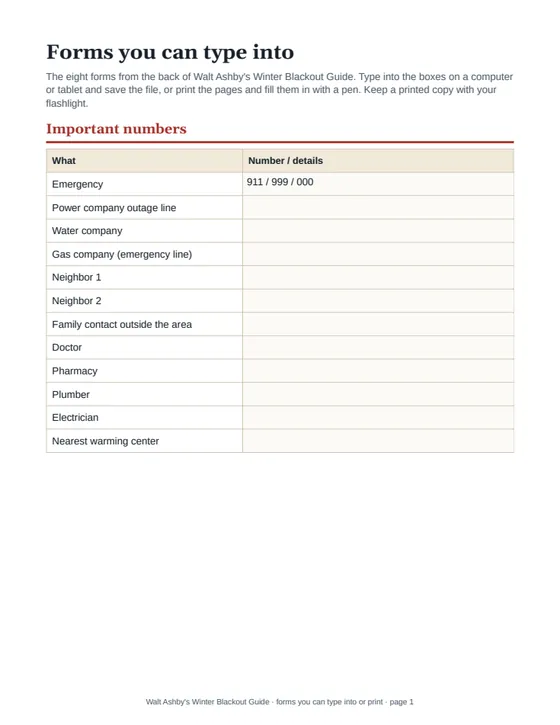
Forms you can type into
The eight forms from the back of the guide as a file you can fill in on a computer or tablet, save, and print.
All 17 chapters, in five parts
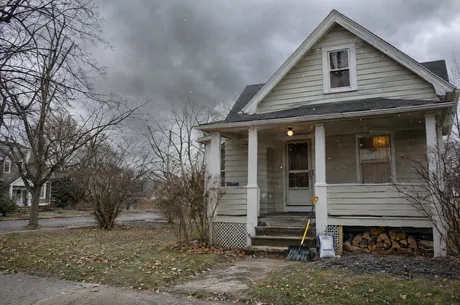
Before the storm
What to expect, where your own home is weak, and a month of small jobs.
- 1How a winter outage unfolds
- 2Your household risk sheet
- 3The setup plan, at four budgets
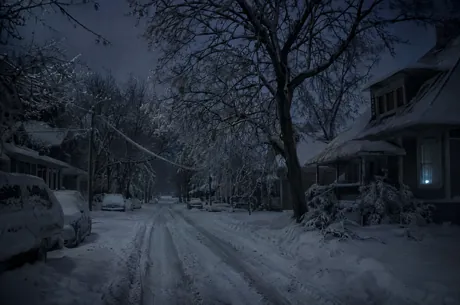
The first 72 hours
The night the lights go out, and the days after.
- 4The first hour
- 5The warm room
- 6Heat sources: what's safe and what kills
- 7Water
- 8Food: the fridge, the freezer and a no-cook pantry
- 9Light, phones and news
- 10Keeping pipes from freezing
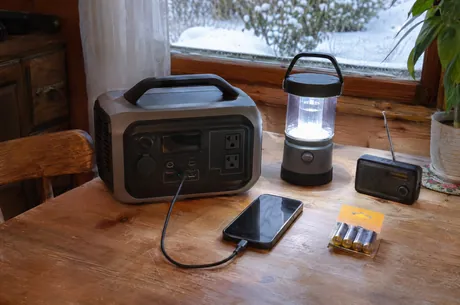
Power
Batteries, generators and the equipment that depends on them.
- 11Battery power
- 12Generators
- 13Powered medical equipment
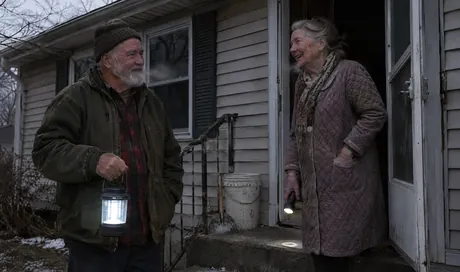
People
Health, neighbors, pets, and knowing when to go.
- 14Medicines, health and the cold
- 15Living alone, neighbors and pets
- 16When to leave, and where to go
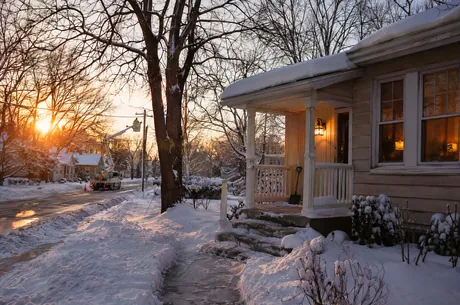
After the lights come back
Checks, repairs, insurance and what to change for next time.
- 17After the lights come back
Is this the right guide for you?
It is, if
- you live where winter outages happen and want a plan in plain words
- you live alone, or look after someone older
- you'd rather spend $50 on the right things than $1,000 on the wrong ones
- you like a checklist you can print and check off
It isn't, if
- you want to wire a generator into your house yourself. The guide sends that job to a licensed electrician
- you're looking for off-grid living, bunkers or long-term survival
- you need medical advice. The guide tells you what to ask your doctor and pharmacist
What buyers say
Reviews from people who bought the guide, shown with their permission.
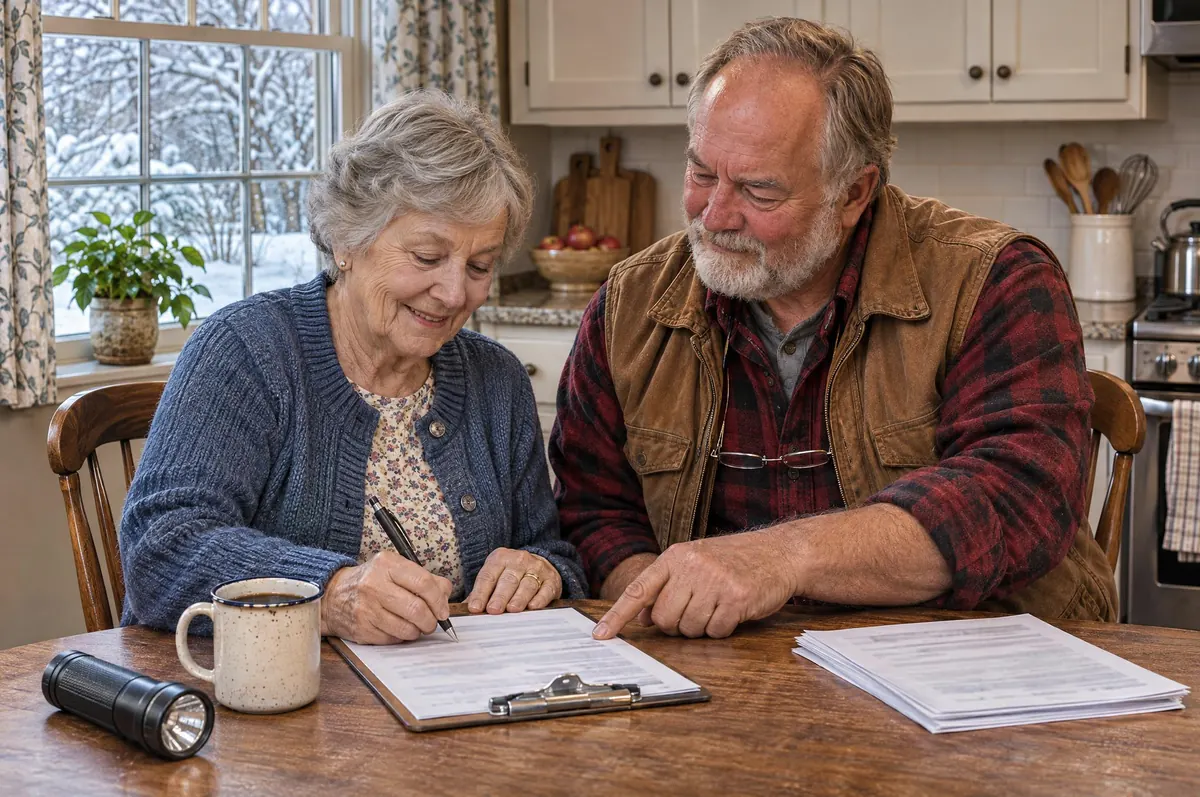
Made to be filled in together
Buying it for your mother or father? Pay with your own card. The files come to your email; forward them, or print them and take them along.
The forms work best filled in over one visit, at the kitchen table, with your parent making the choices: which room, who checks in, when to leave.
Get the guide for $59$35What a winter outage can cost a home that isn't ready
One loss in dollars, and three ordinary ones with the chapter that deals with each.
What one frozen pipe can cost
- $30,000+
- State Farm's average paid claim for frozen-pipe and winter water damage1
- $3,822
- the average bill for cleaning up and drying out water damage2
- $500
- the average plumber's bill to repair the burst pipe itself2
About 1 in 67 insured homes claims for water or freezing damage each year.3
What the guide costs
$59$35
Once. The guide and three booklets.
- The steps for tonight
- $0
- The first shopping list
- about $50
- The full kit in Booklet 1
- about $100
No guide can promise a pipe won't freeze. Chapter 10 shows you where yours would freeze first, and what to do about it.
Put your own figure on each: what a plumber charges where you live, what is in your freezer today. Then set it beside one payment of $59$35.
The whole plan, in one download
- One payment
- No subscription
- Ebook download, not a printed book
Black Friday week: $35 instead of $88
- $35 now for all four ebooks.
- No code needed.
- Ends Monday, November 30, 11:59 p.m. Eastern Time ( left).
- After that the Black Friday price and the free booklet end.
14-day refundIf it isn't useful to you, email hello@waltashby.com within 14 days of buying and write "refund". No reason needed and no form to fill in. We send the full amount back the same way you paid, and you keep the files.
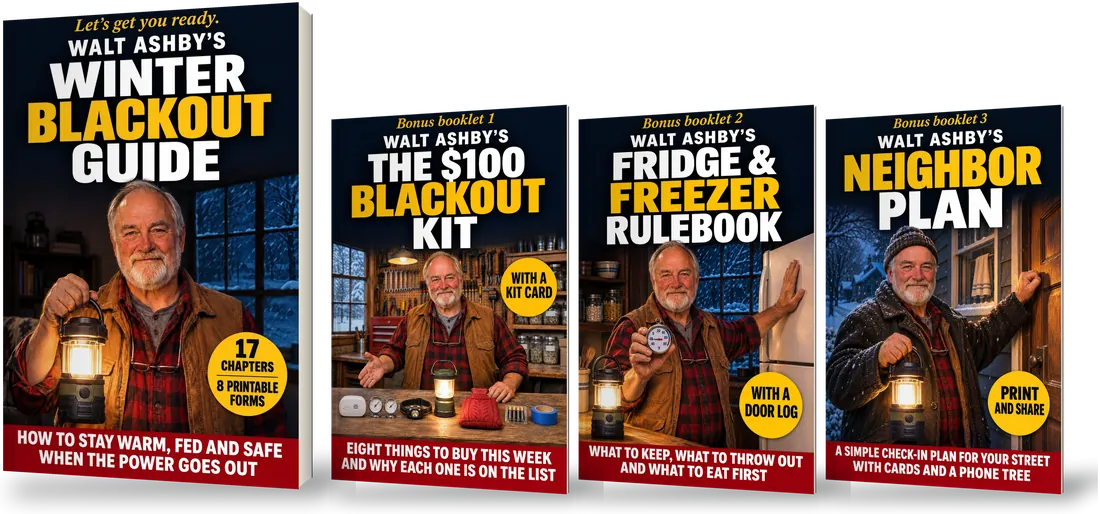
Everything, in one download
- Winter Blackout Guide153 pages, 17 short chapters, 26 drawings
- The $100 Blackout KitEight things to buy, and why
- The Fridge and Freezer RulebookKeep or throw out, food by food
- The Neighbor PlanWindow signal, check-in round, phone tree
- Black Friday gift, until the sale ends
- Forms you can type intoThe eight forms as a file to fill in on screenIncluded
- Corrections and updatesTo this edition, by emailIncluded
- You pay, once$59$35
What happens after you click
- Pay onceOn the checkout page. It takes about a minute.
- Get the emailThe download link arrives within a few minutes.
- Start the same eveningOpen Chapter 4, "The first hour." It is short.
Prices are in U.S. dollars. The download link arrives by email, usually within a few minutes.
The guide is complete as it is; there are no add-ons. If you build the first kit, plan on about $50, less if you already own some of the pieces. Chapter 3 shows what to do if your budget is zero.
Questions before you buy? Email hello@waltashby.com.
The $100 Blackout Kit, on its own
Not ready for the whole plan? Start with one booklet: eight things to buy this week, why each one is on the list, and a kit card for the box. 13 pages.
$19
Get the kit booklet for $19One payment.
The full Winter Blackout Guide bundle
The 153-page guide, all three booklets including the kit booklet, and the forms.
$59$35
Get the full bundle for $59$35One payment.
Asked most often
Is it a printed book? How do I open and print it?
It is an ebook you download (PDF files), not a printed book. Tap the link in the email to download the files. They open on any phone, tablet or computer. To print, open a file and choose Print. The pages are book size and print cleanly on ordinary letter paper. You can print only the forms. If you get stuck, email hello@waltashby.com and we'll help you open it.
Is it a subscription? Will I be charged again?
No. It is one payment for the whole bundle. There is no membership and no recurring charge.
What good is an ebook when the power is out?
That's why the forms are made to be printed now and kept with your flashlight. No printer? Copy the few lines you need onto paper by hand, or have the forms printed at a library or copy shop.
This information is free online. Why pay for it?
Yes, it is free. But it is spread over dozens of government pages, each written for a different purpose. The guide puts it in the order you need it, in plain words, with drawings, forms and one plan for your own home. If you'd rather gather it yourself, the agencies are named near the top of this page.
Is the print large enough to read comfortably?
The guide is set in 12.5-point type, with generous spacing. On a tablet or computer you can zoom in as far as you like. If you print it on ordinary letter paper and choose "fit to page", the type comes out larger still.
Buying and delivery
Why this price?
Because it is four documents, not one: a 153-page guide with 26 drawings and eight printable forms at the back, and three booklets. That is 196 pages, with the safety figures traced to named public sources. It costs more than most ebooks on this subject. If it doesn't earn its price in your home, email "refund" within 14 days and keep the files.
How does the refund work?
Email hello@waltashby.com within 14 days of your purchase and write "refund". We refund you in full, the same way you paid. You don't have to give a reason, and you keep the files.
Can I buy it for my mother or father?
Yes. Pay with your own card, then forward the email or print the pages and bring them over. The forms work best filled in together, with your parent making the decisions.
What if the email doesn't arrive?
Check your spam folder first. If it isn't there, email hello@waltashby.com and we'll send the files again.
About the guide
Who is Walt?
Walt Ashby is the host of Walt's Workshop and the voice of this guide. The guide is written the way he talks: plain, in order, one job at a time. We don't ask you to take anyone's word on safety. Every figure that matters is taken from a named public source, listed at the back of the guide so you can check it.
I already watch Walt's videos. What's in the guide that isn't in them?
The videos cover one topic at a time. The guide puts it all in order for your own home and adds the forms, the keep-or-throw-out tables, the home layouts and the chapters on medicines and medical equipment. Print it and it works when the internet and the power don't.
I live in an apartment. Is it still for me?
Yes. The warm-room chapter has a layout for apartments and condos, and the guide covers elevators, water on upper floors and why nothing fuel-burning ever goes on a balcony.
Do I need a generator or expensive gear?
No. The plan starts with jobs that cost nothing. The first shopping list in the guide is about $50, and the $100 Blackout Kit booklet is the fuller eight-item version. Generators get their own chapter, mostly about using one safely if you already own one.
Is the safety advice reliable?
The safety figures come from public sources such as the CDC, the Consumer Product Safety Commission, USDA and the National Institute on Aging, and each is named in the guide. It is general information for households. It is not medical, electrical or plumbing advice. It tells you when to call a professional.
I'm outside the United States. Does it apply?
The advice applies anywhere winters are cold. It uses U.S. measures with metric in parentheses, and gives emergency numbers for the U.S., Canada, the UK and Australia. Prices are in U.S. dollars.
Winter outage questions the guide answers
How do you stay warm in a house with no power in winter?
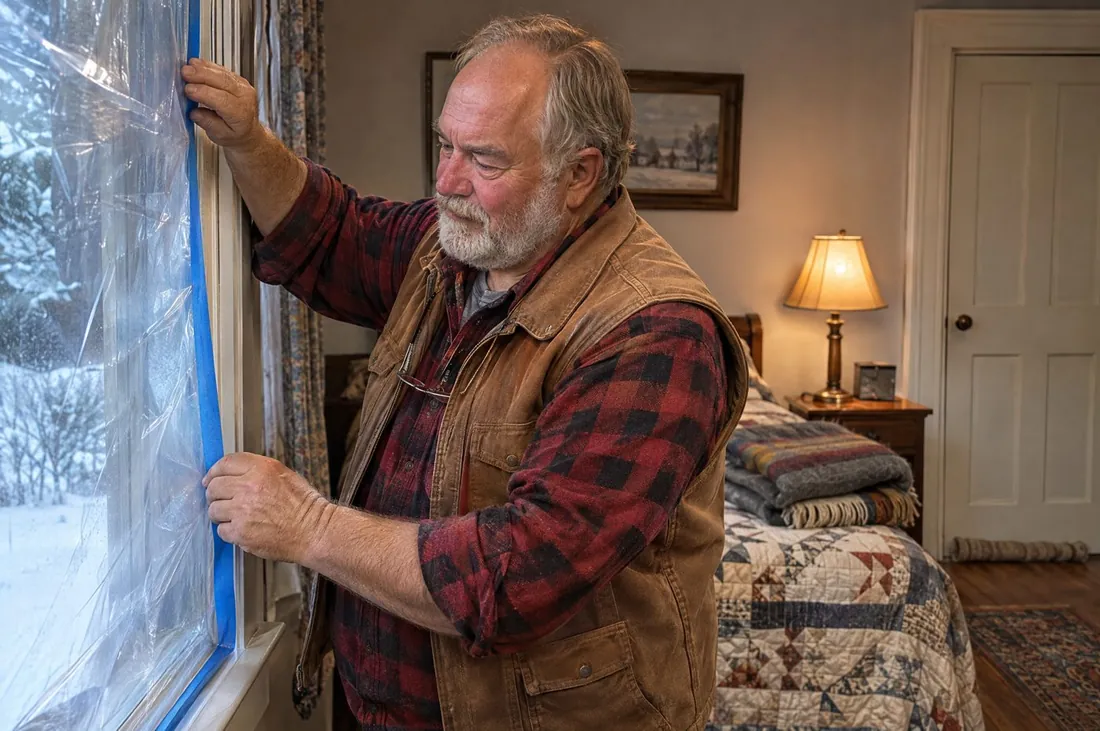
Heat one small closed room, not the house: shut the door, put a rolled towel along the bottom, cover the window at dusk, and then warm the person with layers, a hat and a hot water bottle. Chapter 5 has layouts for four kinds of home.
How long does food stay safe in the fridge and freezer without power?
About 4 hours in a refrigerator, about 48 hours in a full freezer and about 24 hours in a half-full one, if the doors stay closed (USDA). Perishable food such as meat, fish, eggs and leftovers is thrown out once it has been above 40°F for more than 2 hours. Chapter 8 and the Rulebook go food by food.
How do you keep pipes from freezing during a power outage?
Open the cabinet doors under sinks on outside walls, let those taps run at a thin trickle, and know where your main water shut-off is before you need it. Chapter 10 has the cold-spot list.
Is it safe to use a gas stove, grill or camp stove indoors for heat?
No. They can fill a home with carbon monoxide, which has no smell or color. Chapter 6 gives four rules for anything that burns fuel and what to do if the alarm sounds.
How far from the house should a generator be?
Outdoors, at least 20 feet from the house, with the exhaust pointing away from doors, windows and vents, and never in a garage (CDC and CPSC). Chapter 12 covers it.
What the full bundle adds to the free checklist
| What you get | Free | Bundle |
|---|---|---|
| First-hour list and a basic kit list | ✓ Yes, 2 pages | ✓ Yes |
| Why each step matters, with the source | ✕ No | ✓ 17 chapters |
| Warm-room layouts for four kinds of home | ✕ No | ✓ Yes, with drawings |
| Heater, generator and carbon monoxide rules | ✕ No | ✓ Yes |
| Food keep-or-throw-out tables | ✕ No | ✓ Yes |
| Pipes, medicines, medical equipment, when to leave | ✕ No | ✓ Yes |
| Printable forms, neighbor cards and phone tree | ✕ No | ✓ Yes |
Not ready to buy? Take the two-page winter power outage checklist.
The first-hour list and the kit list on two printable pages, free.
Not ready to buy today?
Get the first-hour checklist free
One page from the guide: what to do in the first hour of an outage. Print it and keep it with your flashlight.
We email you the checklist and an occasional note from Walt. We never sell or share your address. Unsubscribe in any email.
Stay warm, stay ready.
The night the lights go out is the wrong night to start reading.
Read it one evening. Do one small job at a time. Then you meet the next outage with a plan in hand.
Guide with eight forms, three booklets. One payment. Sale price ends Monday, November 30, 11:59 p.m. Eastern Time.
P.S. One thing to do tonight, guide or no guide: find your main water shut-off, and put a flashlight where you sleep.